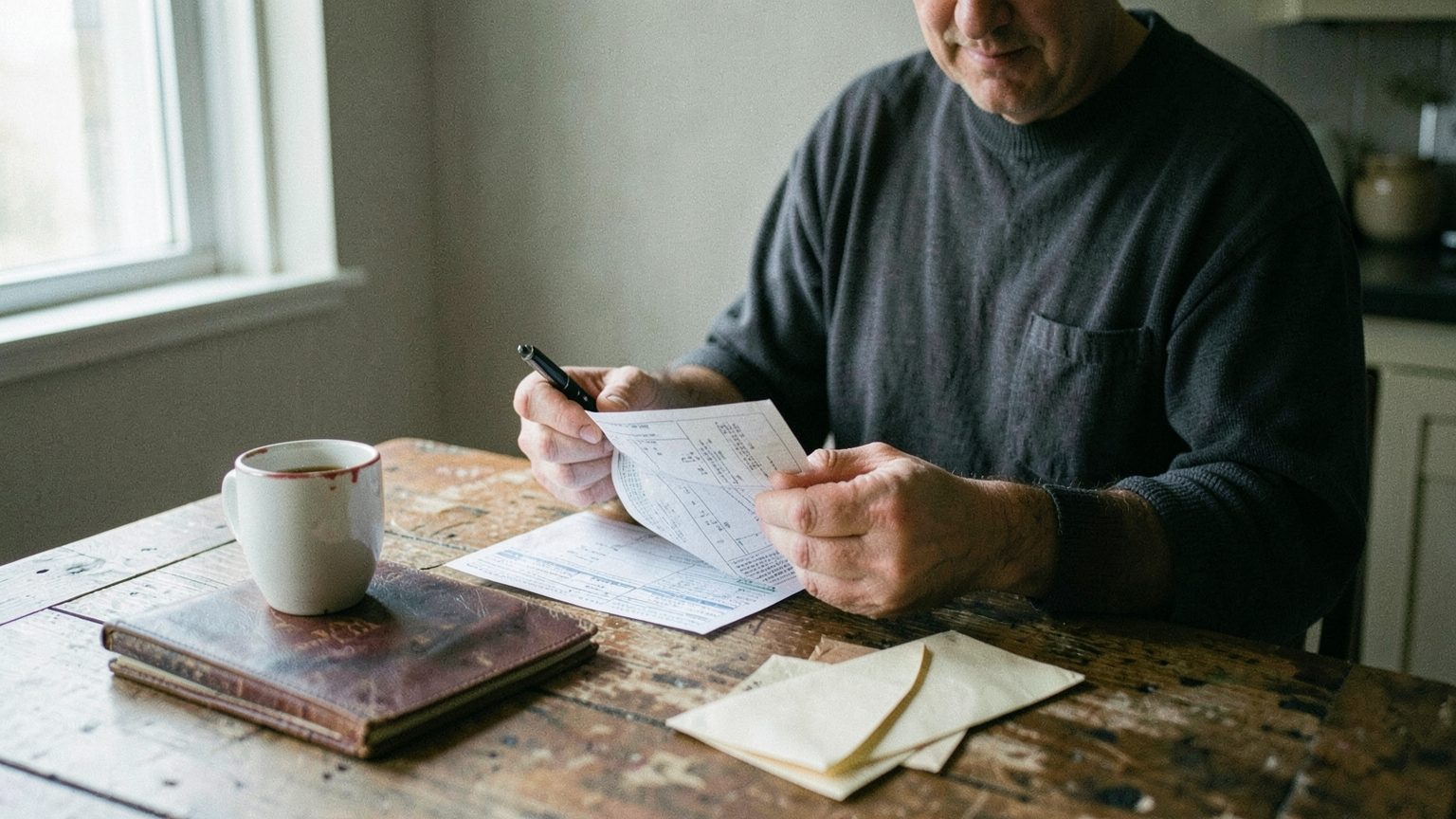
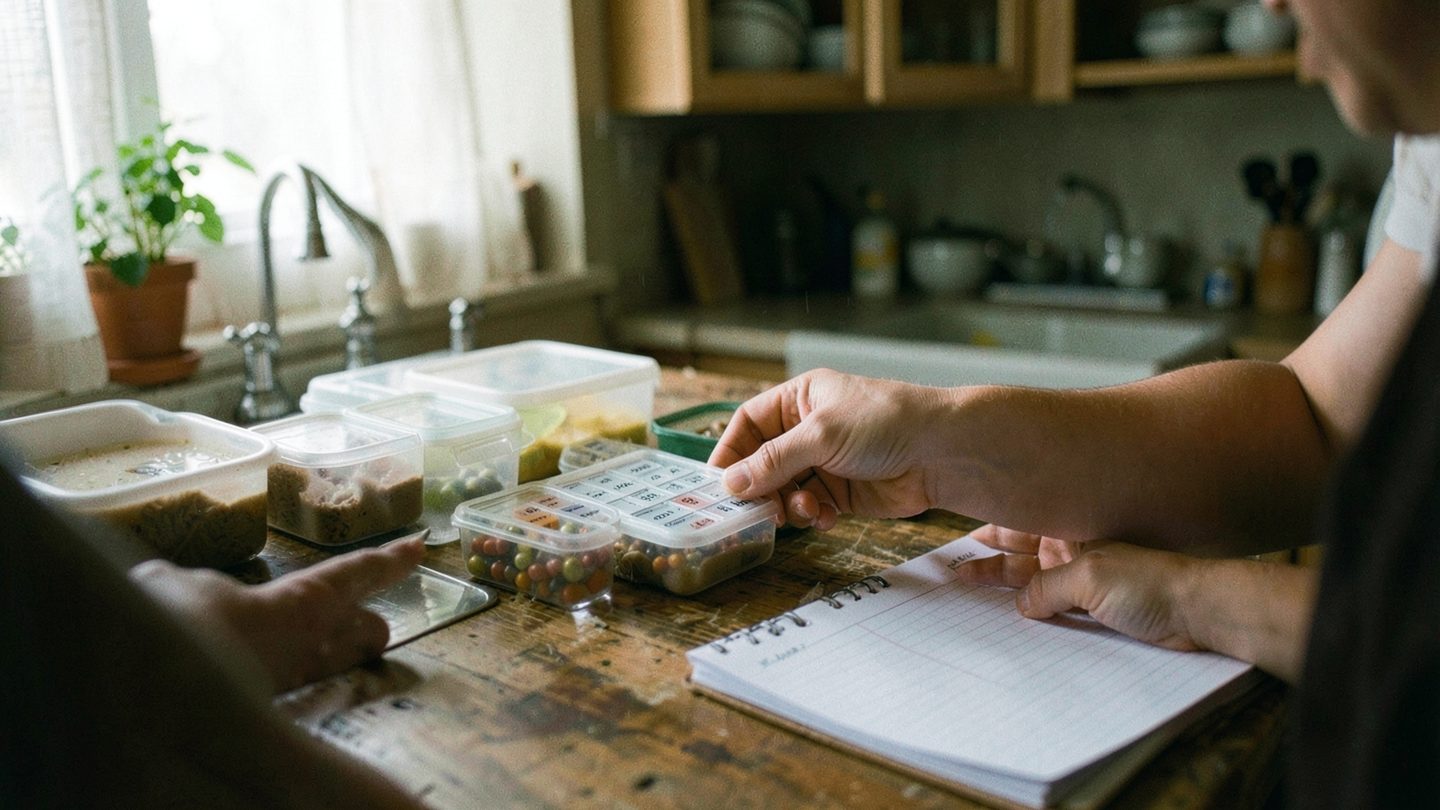
The confusion starts with a language problem. We use one word, work, for two things: the tasks that fill your Tuesday and the role strangers attach to your name. Spot the two meanings and the houses separate fast.
The 6th house is the shift itself. The commute, the inbox, the way you reorganise the stockroom because the mess bothers you. The 10th house is what that work builds in public: the title, the reputation, the person others call when they need the job done right.
That is why a disciplined routine can feel like a career verdict. A reader with Saturn pressing on the 6th-house ruler lives inside structure and effort all day, then assumes the chart is pronouncing on her vocation. It is not. It is describing the machinery, not the marquee.
Two questions cut through it. First: would anyone outside your household notice if this task stopped? If not, it is 6th-house ground. Second: does it change how people with authority see you? Then the 10th is talking. A nurse's rota is 6th; the fact that the ward trusts her name is 10th.
Astrologers make the same distinction: the sixth concerns routine tasks, duties and employment, while the tenth symbolises vocation. The division is not cosmetic. It tells you which ruler to interrogate for which question.
So the first loop closes here. The link between the 6th and work is real, but it sits at the scale of the weekday, not the decade. The 10th ruler answers what you are known for. The 6th ruler answers how you keep the whole thing running. Side by side, they rarely contradict each other — they explain two layers of one life.
Now the second tension. You have been told the cusp sign and its ruler both matter, and that is true. They do not carry equal weight. The bare cusp sign, quoted on its own without its ruler, is the weakest layer in the whole reading — style with no engine behind it. "Virgo on the 6th" tells you almost nothing until you find where Mercury sits. The factor-by-factor breakdown comes next.