The abstract version of this aspect is easy. The lived version happens in a group chat at eleven at night. Someone types "we should sort this out soon" and everyone agrees, and then nothing changes for three weeks. Juno-Mercury notices that gap immediately. A promise made in passing and never converted into a plan reads as a broken promise, even when nobody meant harm.
Take the text thread. One partner sends a long, warm message about the future. The other replies with a heart emoji. For a Juno-Mercury person, that emoji is not agreement — it is a receipt for having read something. The fix is unglamorous: reply with the plan. "Yes to the trip — shall I book the second week of May?" Warmth plus specificity is what this placement trusts.
Then the promise that keeps sliding. "I'll handle it" is the most dangerous sentence in a Juno-Mercury relationship, because it sounds like a commitment and contains no information. Who handles it, by when, and what happens if it slips? The person with this aspect is not being difficult by asking. They are doing the job Mercury gave them: turning a feeling into a workable sentence.
The same test runs outside romance. Two friends agree to split the cost of a shared trip, one keeps saying "I'll sort my half," and weeks pass with no transfer. Or two founders shake hands on a partnership and never write down who owns what. In both cases the warmth is real and the agreement is not, and the Juno-Mercury person feels the missing paperwork like a draft under the door. Name the amount, the date and the split in one message, and the friendship or the business survives the conversation.
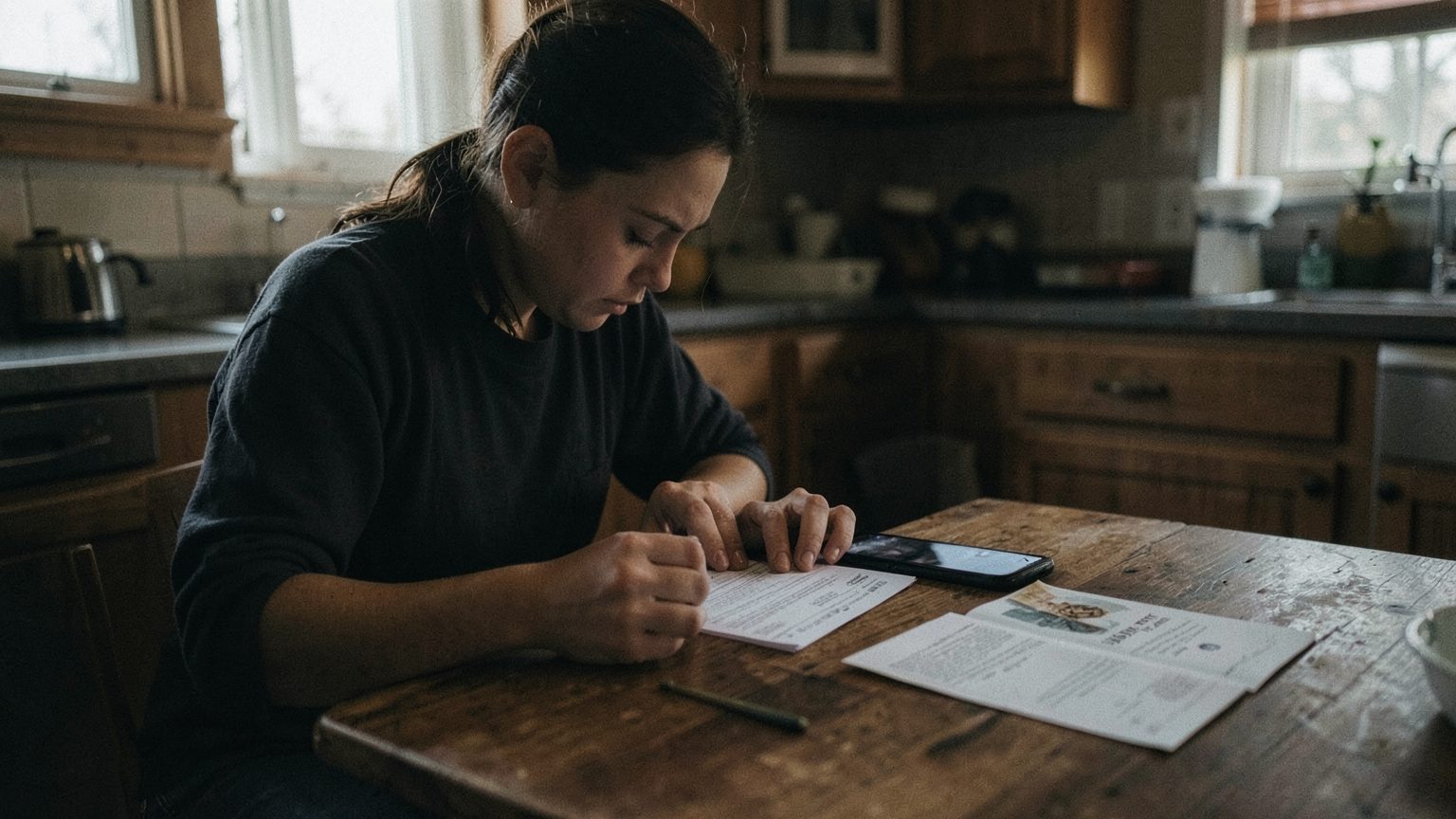
Paperwork is the purest expression. Leases, shared accounts, insurance, the name on a utility bill, the holiday split between two families. These are Juno territory, and they only work when Mercury writes them down. A couple who can sit down with a document and discuss it calmly is often a couple with this contact functioning well. A couple who avoids every form because it feels unromantic is usually storing up the exact argument this aspect predicts.
The postponed talk deserves its own example. You know the one. The subject that comes up sideways in the car and gets deflected with a joke. Mercury knows how to change the subject; Juno keeps a note of every time it happened. Eventually the note becomes a speech, delivered at the worst possible moment, about four years of small avoidances.
Break the loop with structure, not courage. Book a time. Say what the conversation is about in advance so nobody is ambushed. Agree one outcome before you start: a decision, a trial period, or a clear "not yet, revisit in June." All three are valid. What is not valid is ending in the same fog you started in.
Watch for the audit tone, too. "You said you'd do it" is a true sentence that rarely helps. Swap it for the request underneath: "I need this done by Sunday — can you take it?" The first reopens the case file. The second closes it.
Finally, keep a light record of the things that matter — shared notes, a calendar, one message confirming the plan, a simple written split between colleagues. Not surveillance. A shared page both people can read, so no one has to carry the whole agreement in their head and recite it back under pressure.
If this all sounds like admin, that is the point. For Juno-Mercury, the admin is the romance. A promise that survives a calendar, a text and a signature is a promise you can relax into. The talk you keep postponing is usually the one that would let both of you stop checking.