Synastry is where Chiron opposite Venus stops being private. One person's Venus sits across from the other's Chiron, and the pairing splits the roles cleanly. The Venus person offers warmth, compliments, touch, time. The Chiron person receives it through the memory of every time affection came with a catch.
That is why the sore spot gets touched so precisely. Your partner is not guessing where it hurts. They are standing directly on it, because their Venus is wired to love in exactly the way your Chiron has learned to distrust.
Watch the handoff happen in real time. They say "I missed you" and you hear "where were you?" They plan a weekend and you brace for the bill. A gift lands and your first thought is what you now owe. The offer is real; the filter is older.
The roles can flip, and often do. On a different day you are the Venus side, warm and generous, while your partner stiffens at the same kind of attention. Named roles in this aspect describe a moment, not a permanent identity.
Now the question that brought you here: if this hurts, why does it keep showing up in the relationships that matter most? Because the mirror is doing its job. Surface relationships never reach the tender spot. Serious ones aim straight at it.
The same argument repeats until you name what it is really about. Not the dishes, not the late reply, not the tone. Underneath sits one sentence: "I am afraid I am only wanted when I am useful." Say that sentence and the fight changes shape.
Then comes the over-giving stage, the most common synastry version of this contact. The Chiron person starts over-performing to deserve the Venus person's affection — more effort, more catering, fewer needs. It looks like devotion. It is a defence. The resentment arrives on schedule, and both people wonder why closeness turned into a scoreboard.
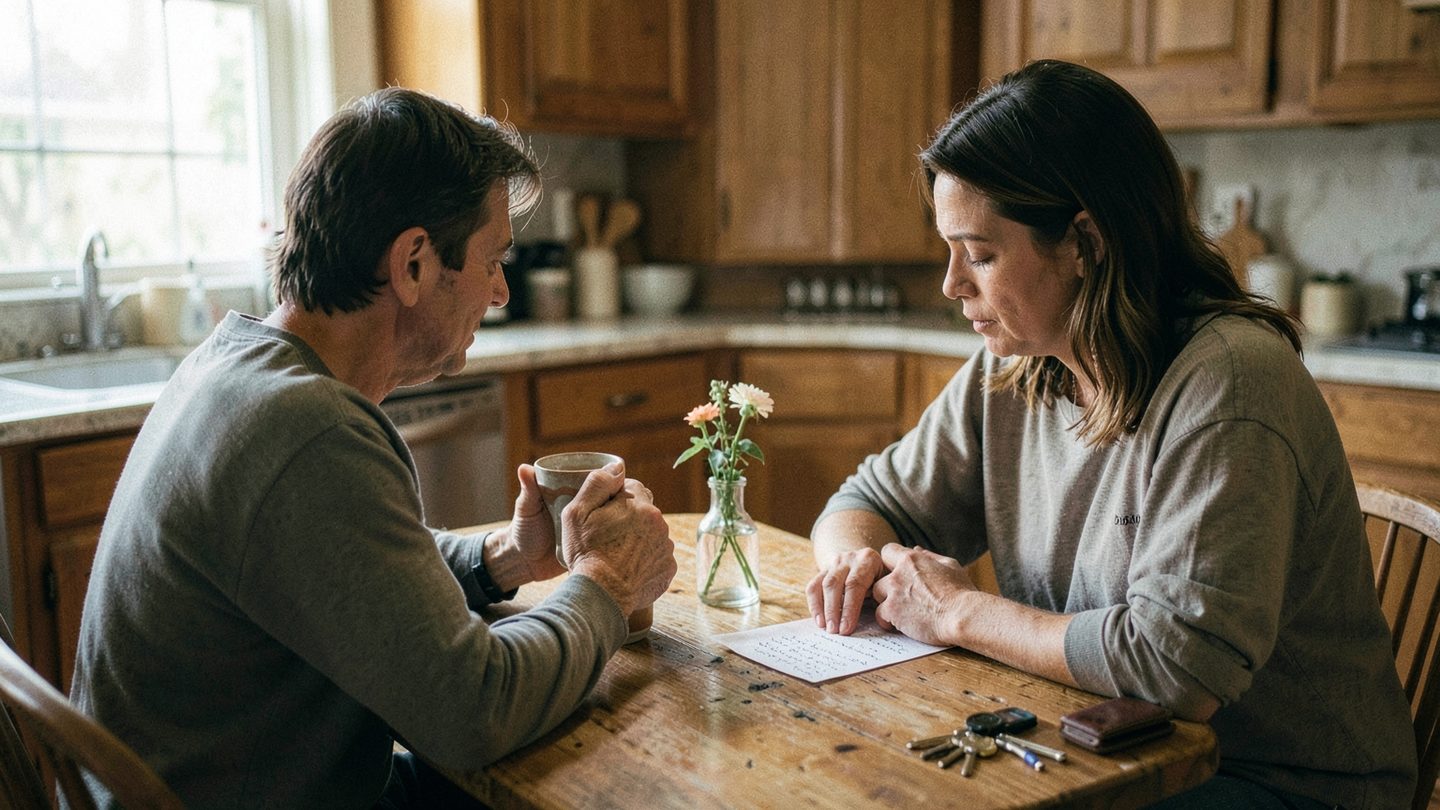
The aftermath has a texture you can recognise. One partner says, quietly, "that landed on something old." What happens next decides the relationship. Some couples stay in the room, ask what it touched, and keep talking. Others hear an accusation, defend the original comment, and spend the next hour re-arguing who was right. Same words, two completely different roads.
Here is the practical test, and it decides more than any chart placement: can both people talk about the tender spot without turning it into blame? A couple who can name it and keep going has the aspect working for them. A couple who relitigates the same wound in louder voices every month has the aspect working on them.
Set the frame early, before the next flare-up. Agree that either person can call a pause and name a sore spot out loud without being accused of overreacting. That single agreement changes the entire dynamic.
To find this contact in your own chart, you need both people's real birth data. A synastry chart calculator compares the two charts and shows whether one person's Chiron actually opposes the other's Venus, and how close the angle is. Opposite signs in casual conversation are not the same as a measured opposition.