The central theme
Juno and Pallas are not the same object. Juno is a real asteroid orbiting the Sun between Mars and Jupiter, a rocky body bright enough to spot when it lines up with the Sun and sits near Earth. Pallas is a separate asteroid with its own orbit and its own path. In the sky they sit hundreds of millions of kilometres apart. So why does astrology read them as one voice? Because a conjunction is about how things look from here. From Earth, two bodies can appear close together even when they are nowhere near each other in space. Astronomers call that a conjunction: a close apparent alignment, often defined as the moment of minimum separation.
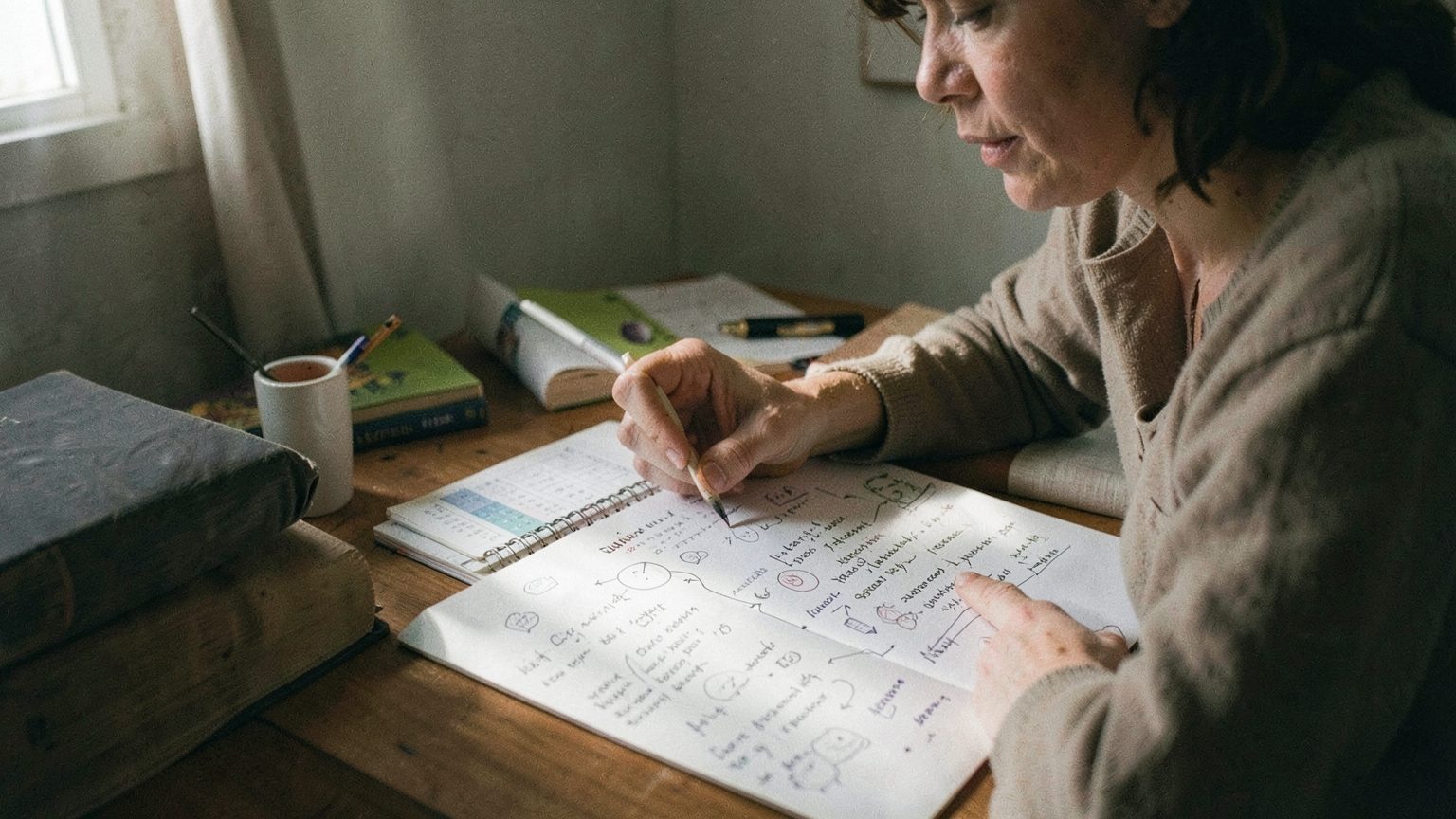
Astrology borrows that visual fact and gives it meaning. Juno stands for the terms of commitment — what you agree to, what you refuse, the deal you sign with a partner. Pallas stands for strategic intelligence — pattern recognition, the eye that spots a flaw in a plan before it costs you. Put them together and one signature comes through: loyalty that must pass a design review. The person who feels this aspect does not simply love. They audit the relationship. They notice the same argument arriving on the same day each month, the promise that quietly changed shape after the third date, the plan that only works if one person absorbs all the chaos.