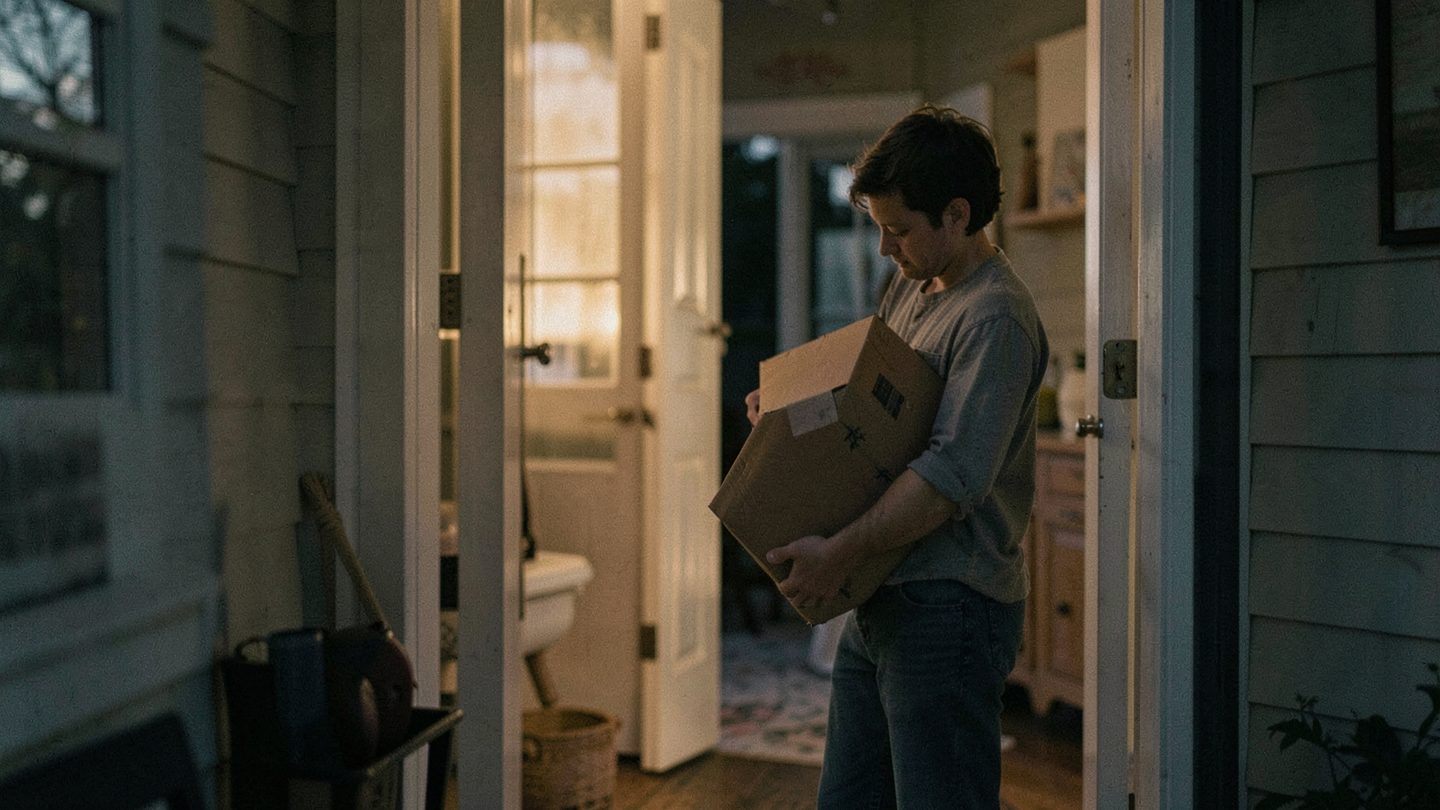
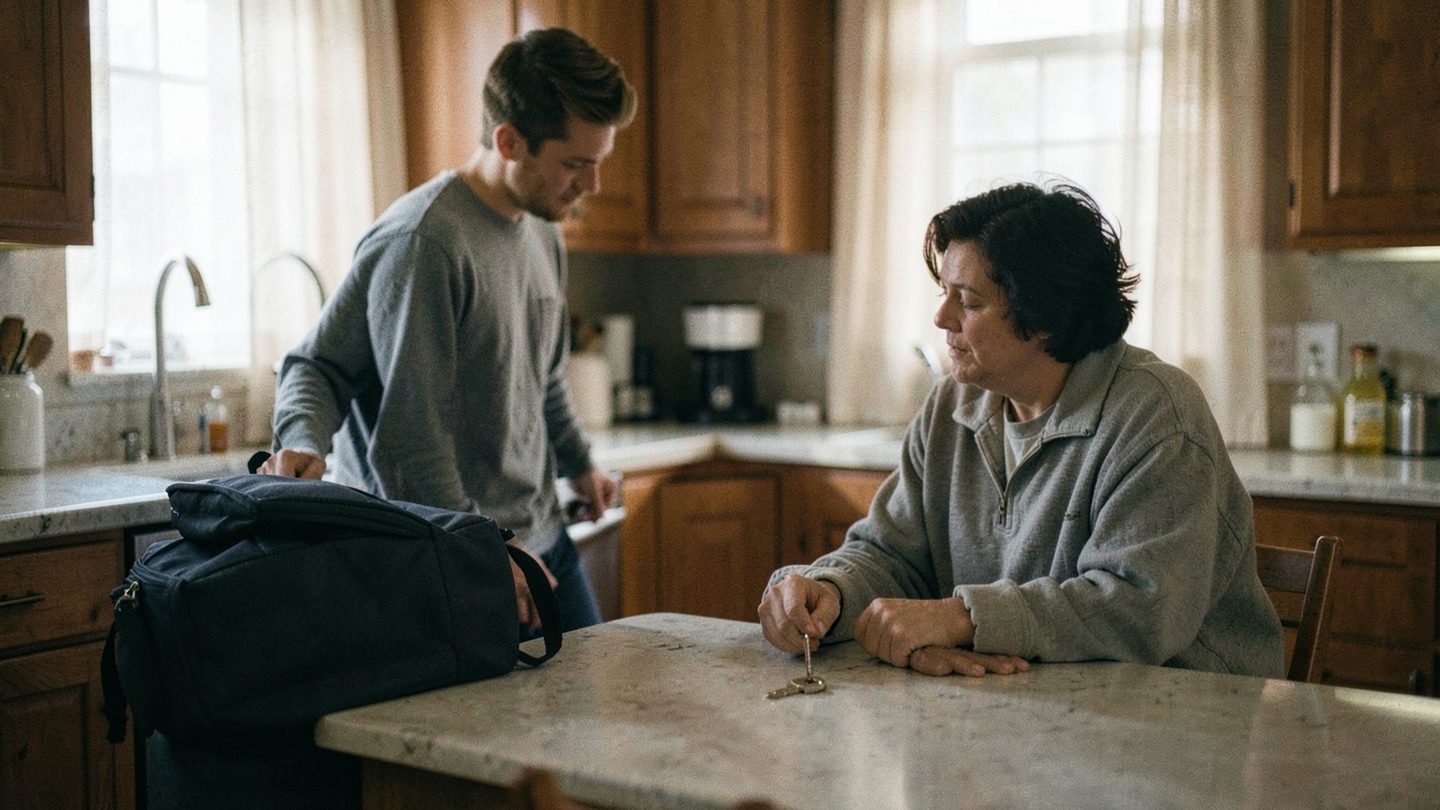
When your partner's planet lands on your IC–Vertex, the first meeting rarely feels like a first meeting. You already know their rhythm. You finish their sentences. Within weeks you are discussing shared space, a spare key, or who your family will think they are. That speed is the contact working, not proof the relationship lasts.
The reason is structural. Their planet is knocking on the door of your private foundation while your fated-encounter point stands in the same doorway. Astrologers treat the IC as the ground floor of belonging and the Vertex as a trigger for encounters that feel scripted. Together they produce instant familiarity plus a pull toward merging daily life — two people folding laundry before they have agreed on what they are.
The same contact hits your partner differently. If their planet is the one sitting on your IC–Vertex, they may have no idea why they suddenly want to be indoors with you. The magnetism is landing on your chart, not theirs. In synastry, the person whose angles receive the contact usually feels the fate more sharply.
This is why the contact has such a domestic flavor instead of a romantic-showy one. You want to cook together, meet the parents, see their childhood bedroom. Cafe Astrology notes that relationships read as fated often involve conjunctions to the Vertex, IC, South Node or similar points. That is a real synastry pattern. It is not a guarantee of permanence.
Here is the check the feeling cannot give you. Instant depth is not the same as compatibility. Ask two questions once the rush settles: does the relationship survive ordinary Tuesday life, and does the closeness hold when you are both tired and unimpressive? Fated contacts open the door quickly. They do not carry the furniture in.
There is a second, quieter version of this contact that catches people off guard. Sometimes the planet belongs to a friend, a sibling, a mentor or a business partner rather than a lover — and the same fast, private merging happens. You start sharing family stories, driving each other's cars, folding into each other's daily routines. The IC does not care whether the connection is romantic. It cares about home.
Pairing charts is where most readers go wrong first. A sign-to-sign comparison — both of you being Scorpios, say — tells you almost nothing about whether a planet actually sits on your IC. Two placements can share a sign and still be twenty degrees apart, which is no contact at all. Real aspects need calculated planetary longitudes for both people at the same moment.
To see the geometry, run a synastry chart calculator with both birth dates, birth times and birth places. If either time is missing, note that the IC, Vertex, Ascendant and all four angles shift — and the whole reading is only a rough sketch until a recorded time is available. A Moon that changes sign that day can also be ambiguous without a time.
You will know you are working with the real thing when the contact is tight. A three-degree orb reads noticeably looser than a two-degree one. In the reference example, positions of 15° and 17° give a measured separation of 2° and therefore a 2° orb. At that distance the two points behave as one signal. At three, they merely nod at each other.