Synastry is the comparison of two birth charts, and a Chiron-Moon conjunction across those charts is one of the fastest-feeling contacts you can find. One person's Moon lands on the other person's Chiron, or the reverse, and the result is recognition that arrives before conversation does. You meet someone and within an hour you are telling them something you have not said out loud in years.
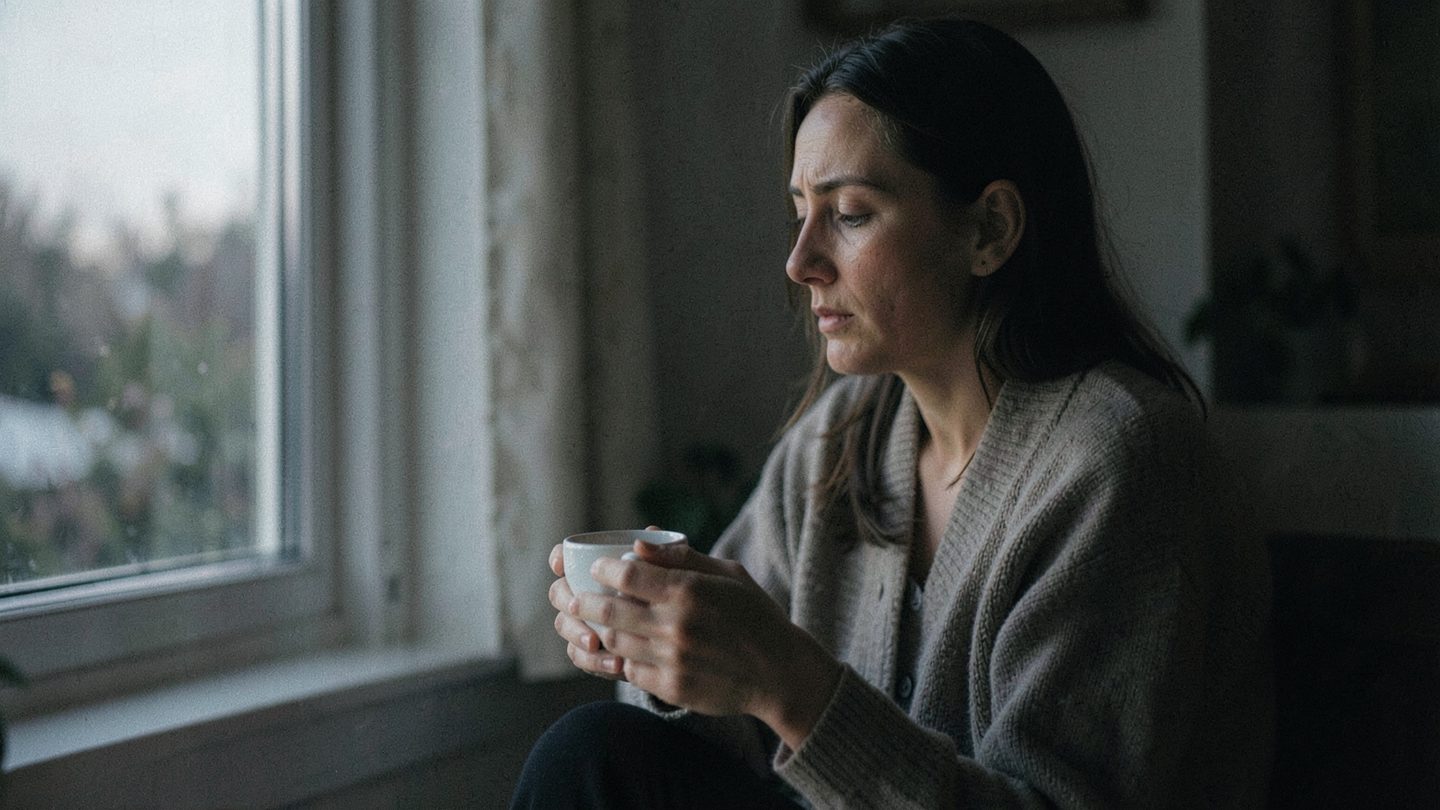
The same sensitivity that makes them feel like home also makes ordinary friction feel personal. A cancelled plan, a distracted reply, a joke that lands wrong — none of it stays small. The Moon person feels an old ache. The Chiron person feels exposed. Both react at a volume the situation does not justify.
This is where the real question lives. If synastry Chiron-Moon feels so intense, is it automatically a bad match? No. Intensity is not incompatibility. The aspect supplies voltage, not a verdict. What separates a healing bond from a repeating wound is simpler than people expect: can both of you say the tender thing out loud instead of performing it?
If you want a point of comparison, Moon conjunct Moon synastry shows what happens when two people's emotional needs land on each other directly — recognition without the sore spot underneath, and a very different flavor of closeness.
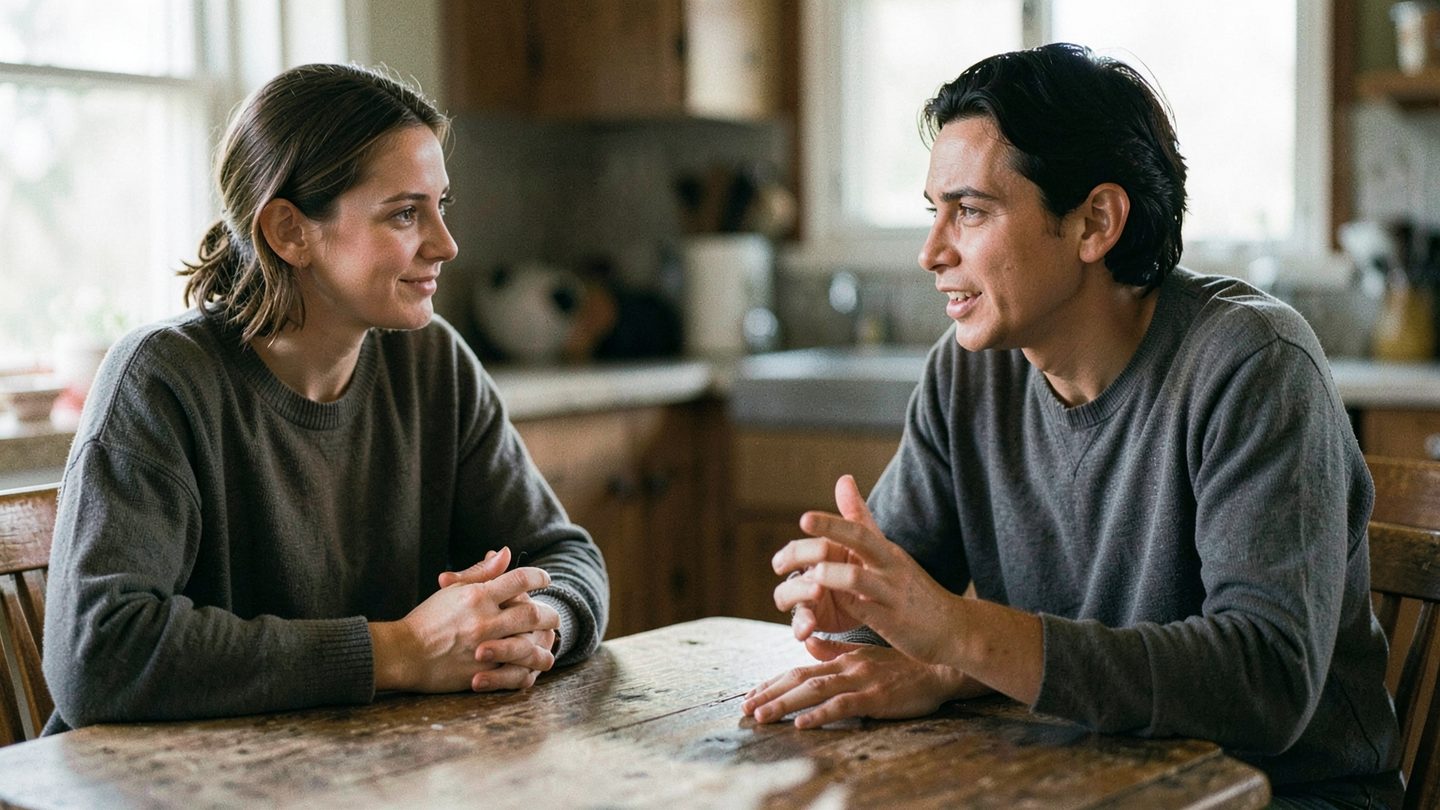
Compare two versions of the same evening. In the first, the Moon person goes quiet and waits to be asked what is wrong, and the Chiron person reads the silence as rejection and pulls back. By midnight both are convinced the other one does not care. In the second, the Moon person says, I noticed I got sensitive when you checked your phone, and the Chiron person says, I did that because I was nervous. Same aspect. Completely different night.
There is a recognizable rhythm to this pairing. The early stage runs on unusual openness, the middle stage hits the first real friction and both people retreat to their default defense, and the long stage depends entirely on whether they built a way to name feelings without turning them into evidence. Couples who make it through are not less sensitive. They just got faster at catching the reflex.
One person usually carries the Chiron side of the contact — the one whose old wound gets touched — and the other carries the Moon side, the one whose need for reassurance spikes. Those roles can flip depending on the day, which is what makes this aspect so disorienting. Yesterday you were the comforter. Today you are the one who cannot stop checking your phone.
The pull toward caretaking is strong and worth watching. Moon-Chiron couples often slide into a helper-and-helped pattern where one person becomes the permanent project. That arrangement feels intimate for a while and then starts to feel like a job. Kerykeion's reading of Chiron-Moon synastry points at the same tension: one person's emotional needs meeting another person's sensitivity, with care-taking themes front and center. Mutuality is the fix. Both people need to be held, not just one.
There is also a magnetic quality that people mistake for fate. Leymora describes the synastry conjunction as strong recognition and tenderness that can also expose sensitive material, and advises checking the house and exact degree before drawing conclusions. That is good practice. Fast recognition is a real experience. It is not proof that two people are meant to be together, and it is not proof they are doomed.
Practical checkpoints, if you are in this pairing. Notice whether hard conversations end in repair or in withdrawal. Notice whether either of you is regularly shrinking to keep the peace. Notice whether the tenderness flows both directions or only toward one person. Those three observations tell you more about the relationship than any chart ever will.
If you want to see exactly where this contact falls between two charts, a synastry chart calculator lays the two wheels side by side and shows you the degrees, houses and angles involved. It will not tell you whether to stay or go. It shows you where the tenderness sits, which is a far more useful piece of information.
The short answer to the question this section opened with: this aspect does not determine the relationship. It determines the temperature. Two people who can name the sore spot without weaponizing it will find this contact deeply healing. Two people who cannot will find it exhausting. The chart is the same either way.