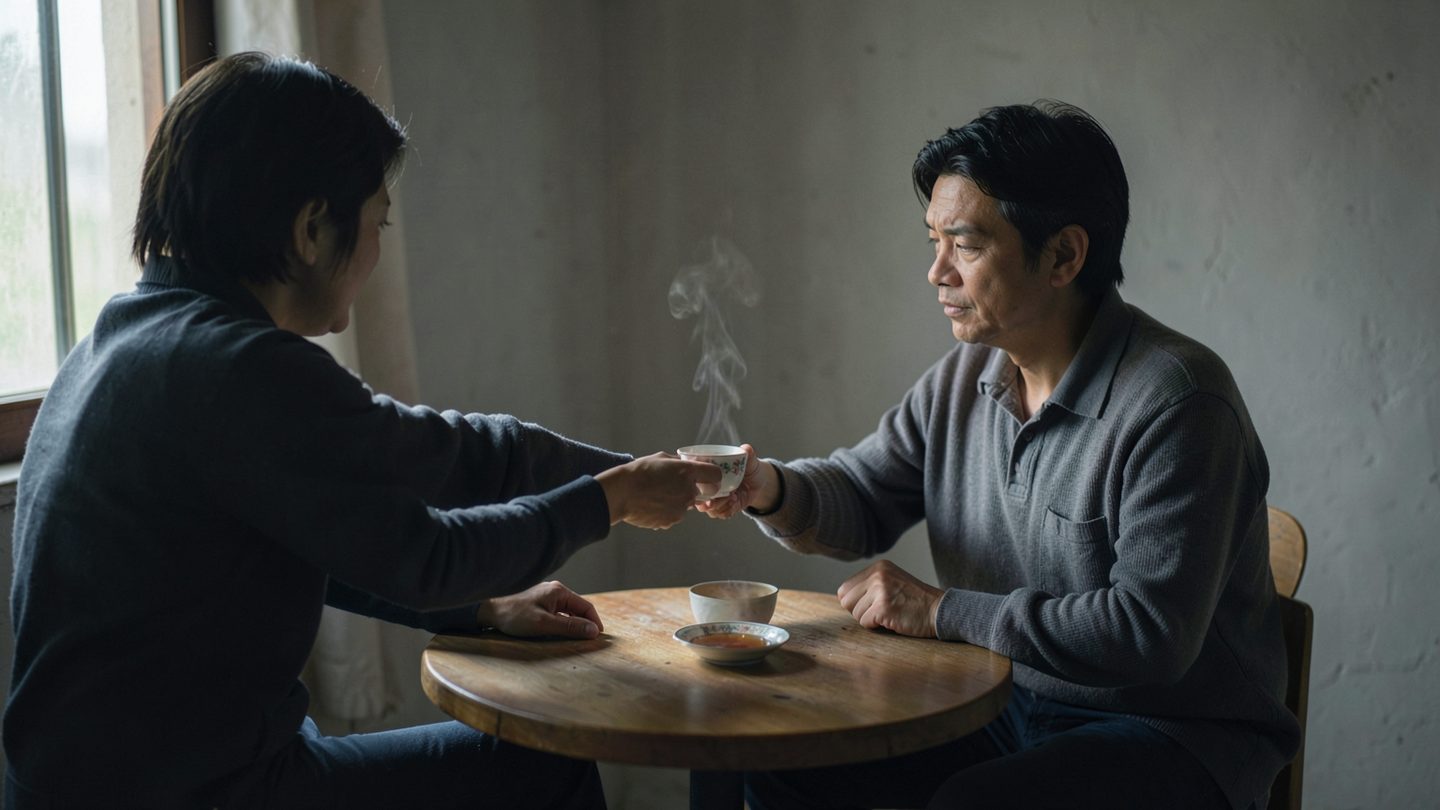
The central theme
Ceres square Pluto is the caretaker who keeps score. One side of you offers warmth, food, time, money, shelter and steady presence. The other side wants to know what that care buys. The square puts those two instincts at right angles, so they never quite resolve into a single motion. You give, then watch. You watch, then resent watching.
In astrology, Ceres carries nourishment, motherhood, family, grief and separation. Her myth turns on Pluto taking Persephone, which is why the two are read together as a custody story about who controls the terms of care. That is the heart of Ceres square Pluto: a custody dispute over needs.
Who decides when comfort is available? Who decides what it costs? In a family, it looks like a parent who provides everything and mentions it forever. In a friendship, it looks like the person who is always available until you say no once, and then the availability stops. In romance, it looks like tenderness laced with surveillance.
Pluto brings what it always brings: intensity, exposure, and a need for depth that tolerates no half-measures. Add Ceres and the subject becomes survival-level care. This is why the aspect is so often described with words like possessiveness, hidden truths and the push-pull between caretaking and control. The pull is real. The question is whether you can separate the two motions before they fuse into one habit.